


Turn down the thermostat. Turn up your Stoov.
Staying comfortable doesn’t always mean warming the whole room. Personal warmth gives you another option: bring warmth directly to you and turn down the thermostat when you don’t need to warm the entire space.
Change the habit, not your comfort
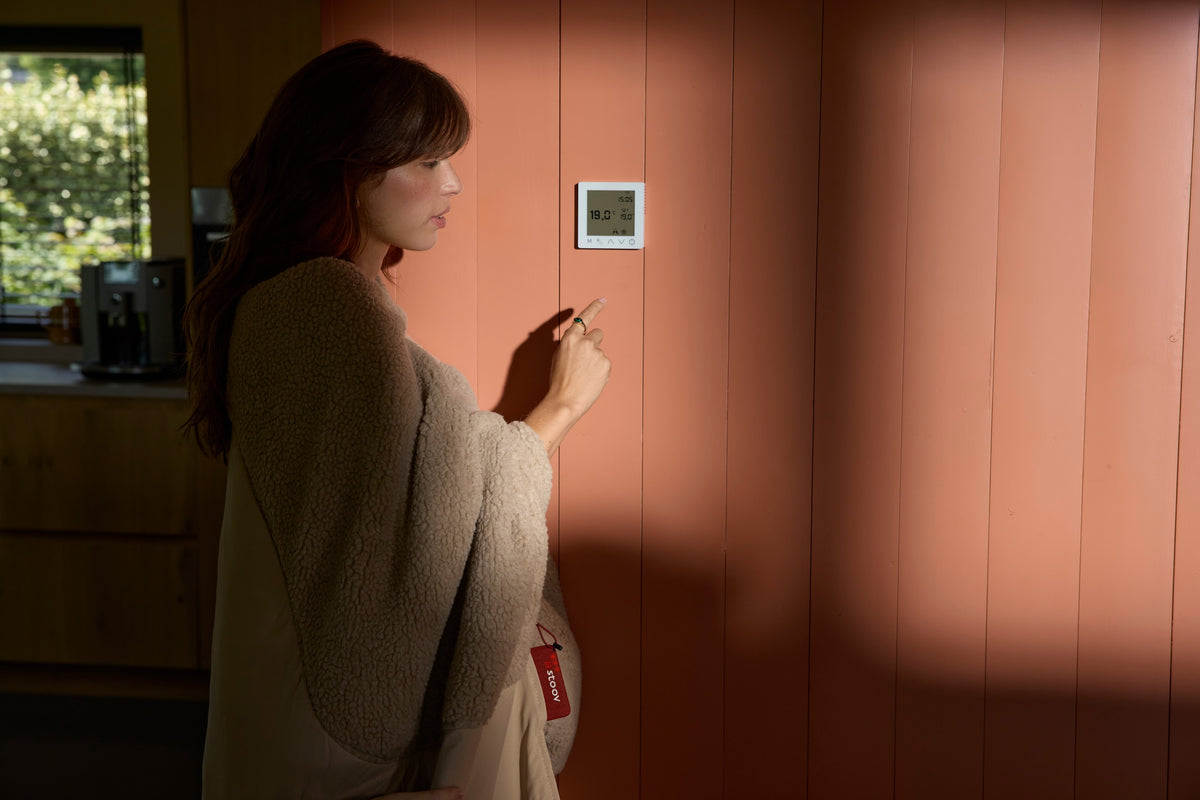
Why warm the whole room when you can warm yourself?
Central heating warms the space around you. Stoov brings infrared warmth directly to you, wherever you need it.
So when you’re settled on the sofa, working from home or enjoying a slow morning, you can choose personal warmth instead of automatically turning up the thermostat.
Less central heating. More personal comfort.
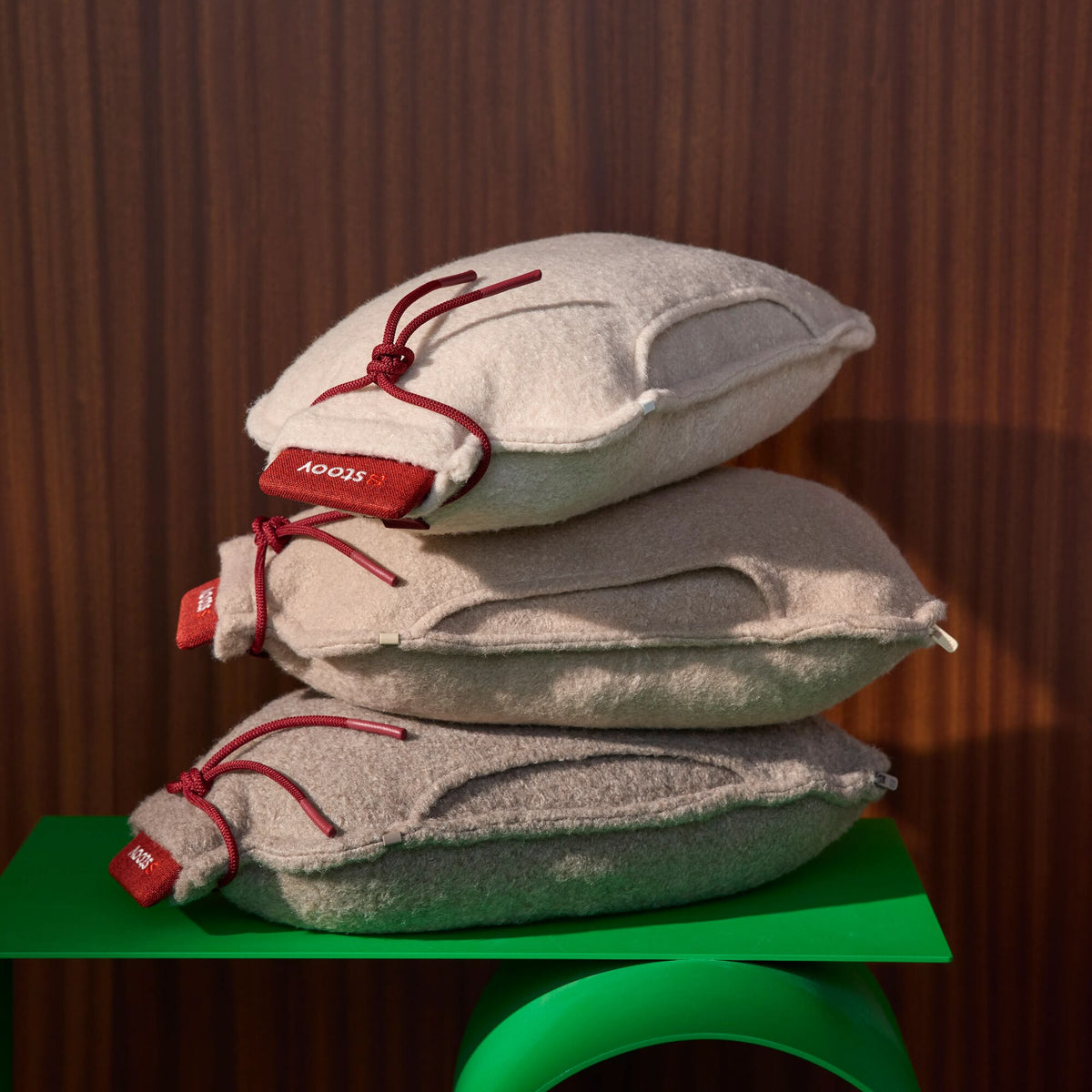
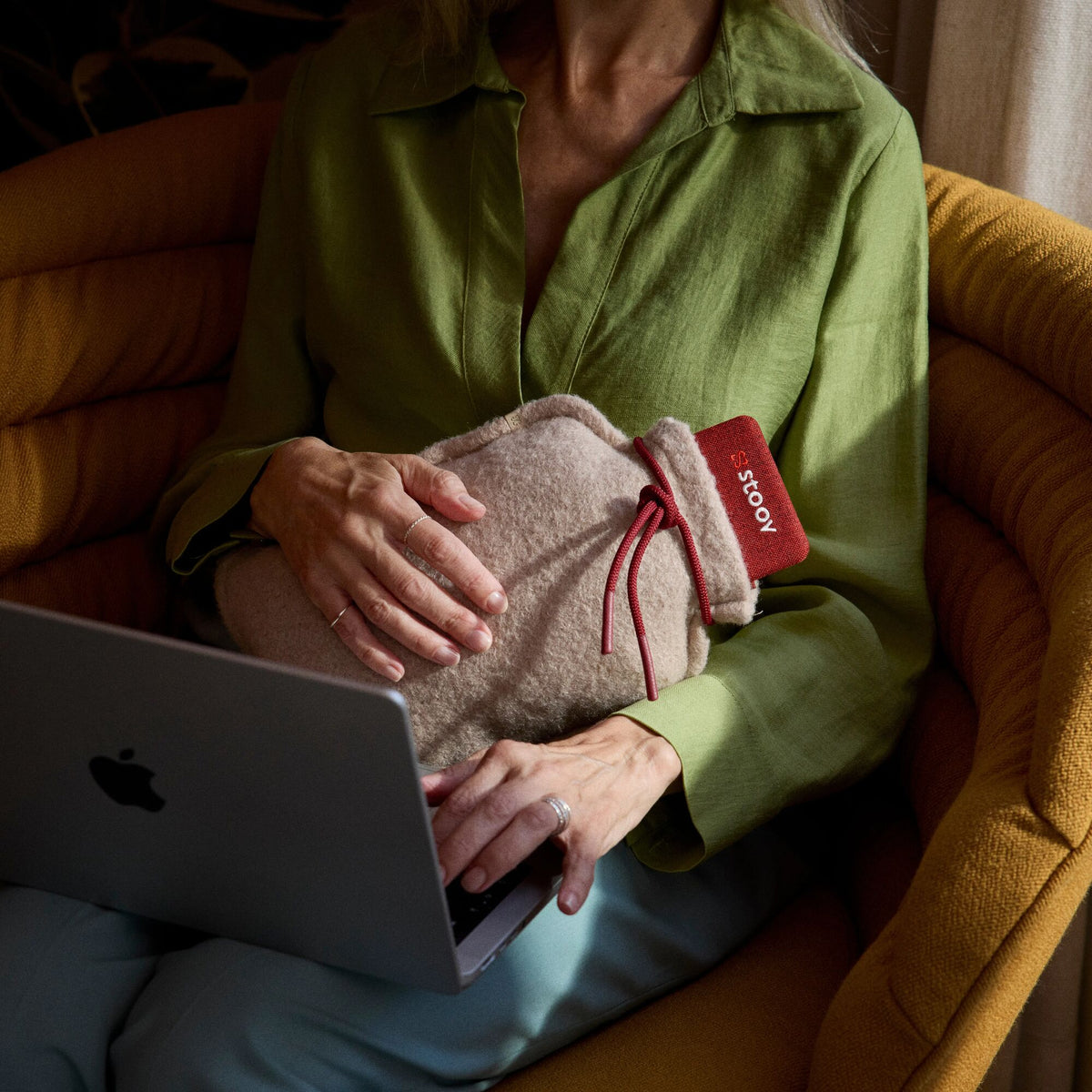
Small change. Measurable difference.
One-third of Stoov’ers have already lowered their thermostat by at least 1°C while using Stoov. A further 39% say they’re open to doing so.¹
And that 1°C can make a difference.
According to the International Energy Agency (IEA), lowering your thermostat by just 1°C can save around 7% of the energy used for heating.
For a representative European household, the IEA estimates that each 1°C reduction could also cut more than €70 from the annual energy bill.²
Less energy. Lower heating costs. Still warm where it matters.
¹ Source: Stoov [insert exact survey/report source and year].
² Source: International Energy Agency and European Commission, Playing my part, 2022. Savings are based on representative households and will vary depending on factors including habits, location, home size and type, and the energy used for heating.
What is the IEA?
The International Energy Agency (IEA) is an international intergovernmental organisation providing energy data, analysis and policy recommendations.
In 2022, the IEA worked with the European Commission on Playing my part, a guide showing how people across Europe could take practical steps to use less energy and reduce their energy bills.
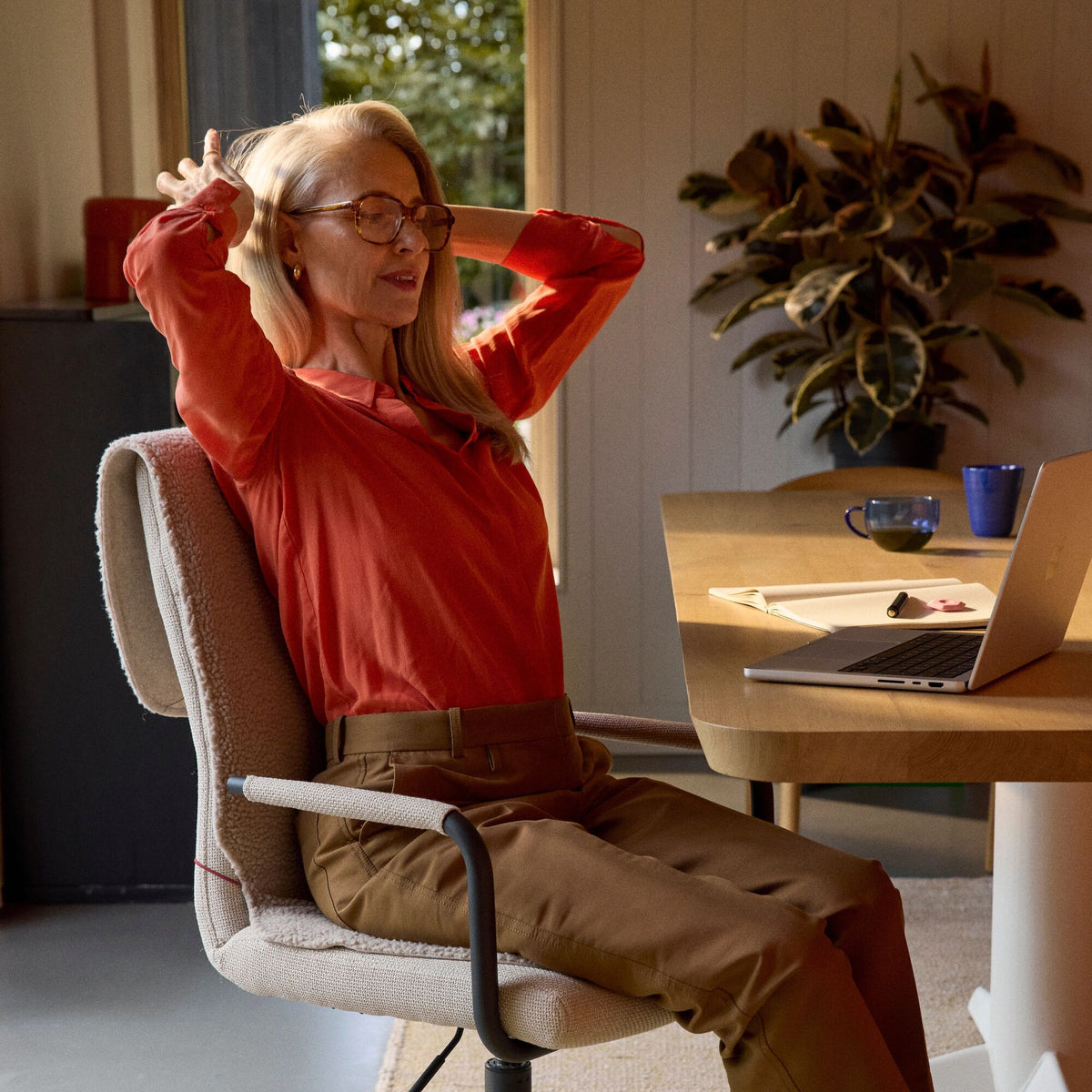
There’s more to warmth than 1°C
Why do some of us feel chilly while others are perfectly comfortable? Why do women and men often experience warmth differently? And why can the same room feel completely different to two people?
Our research found that 91% of Dutch respondents regularly feel cold in spaces where others around them feel comfortable, while 95% sometimes feel cold during sedentary activities such as working from home, watching TV or reading.³
That’s where personal warmth offers another option. Instead of warming the whole space for one person, you can bring warmth directly to you and have more control over your own comfort.