


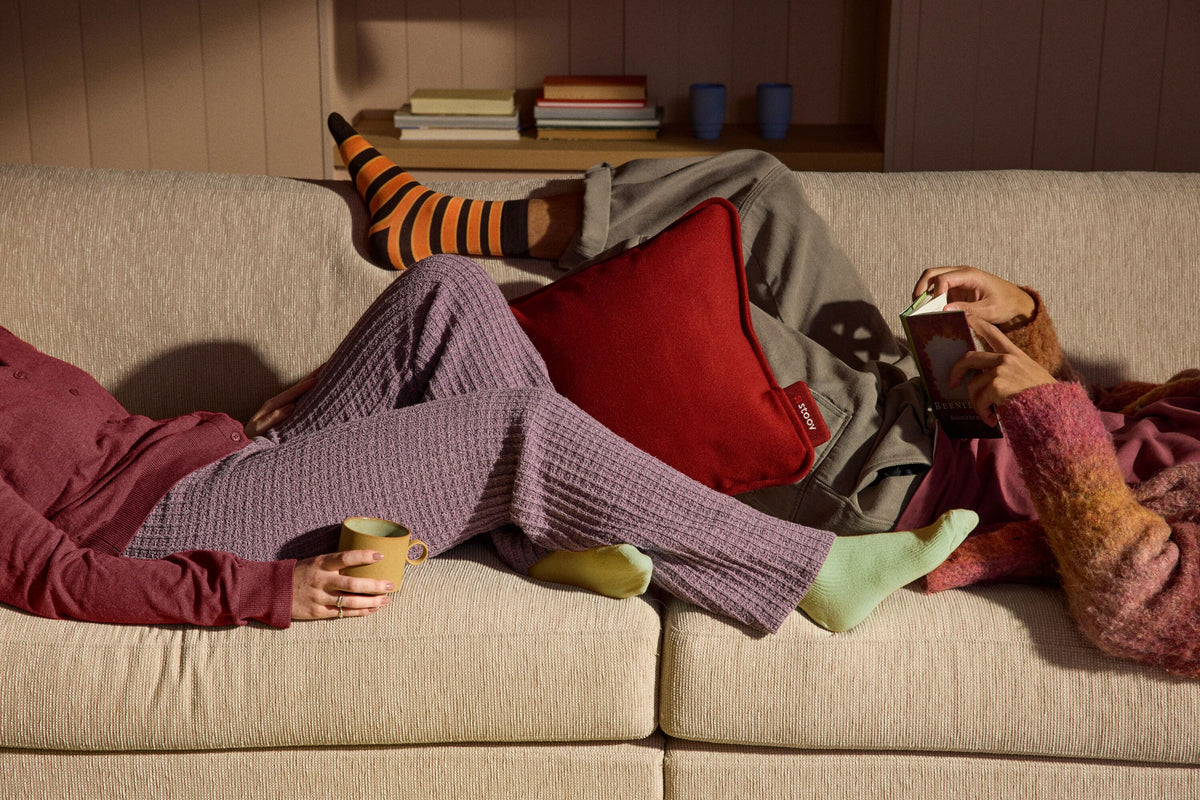
One person reaches for a blanket. The other insists it’s perfectly warm. Sound familiar?
There’s a reason the thermostat can become a source of debate. Comfort isn’t one-size-fits-all and research suggests women
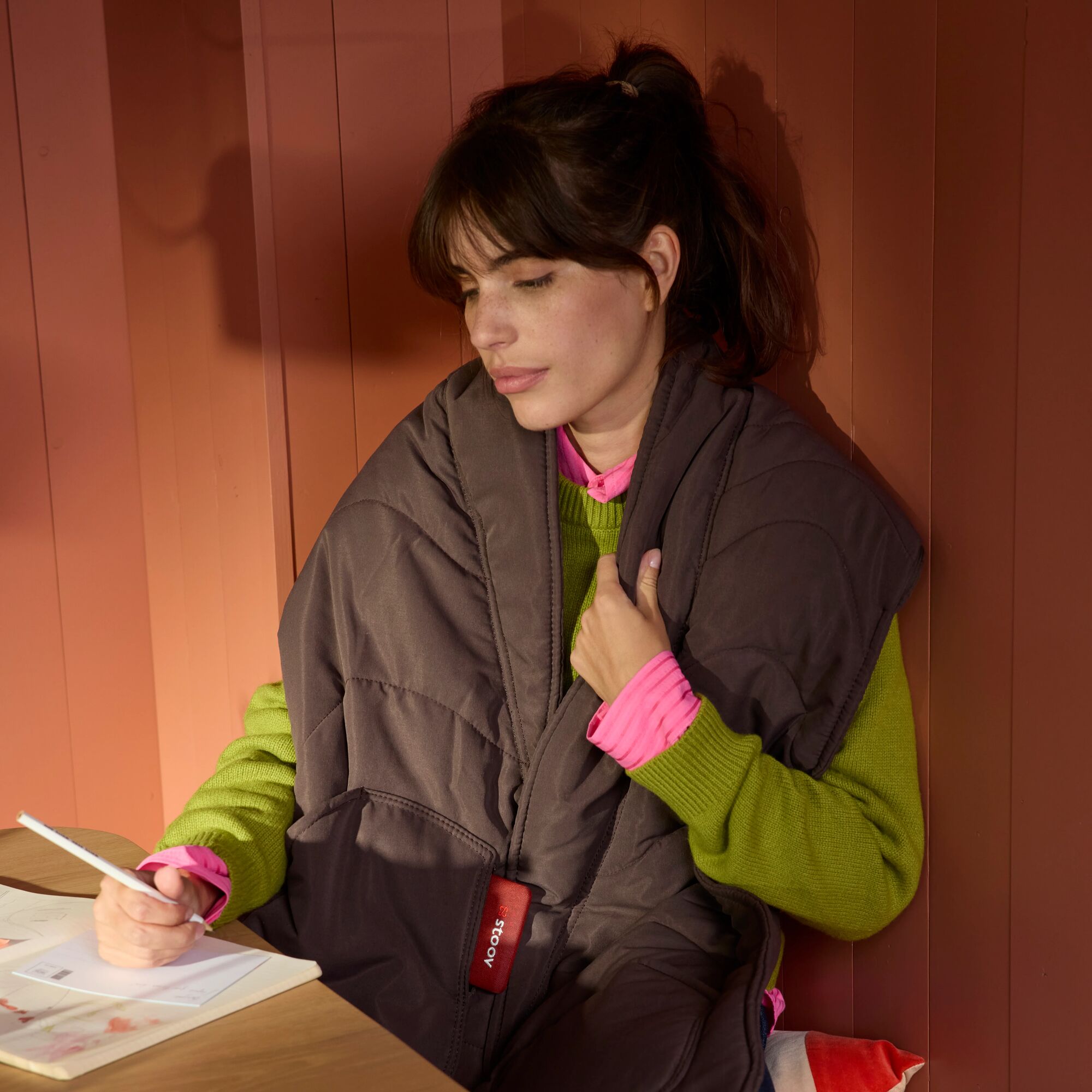
The science behind the temperature gap
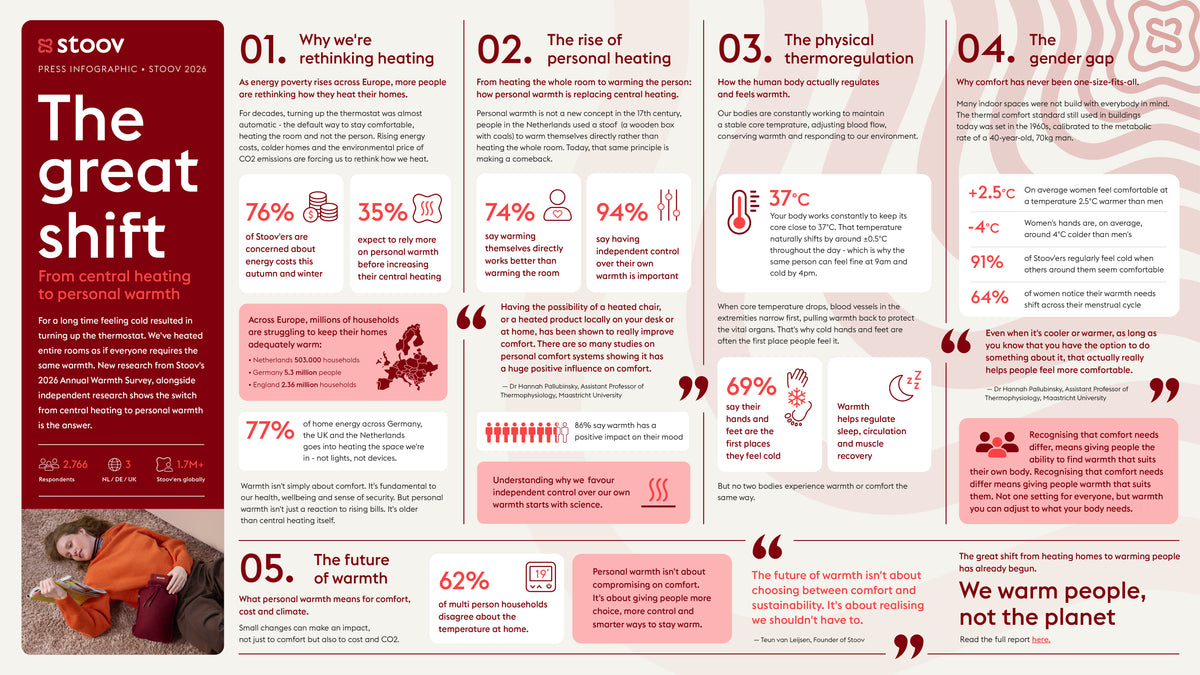
According to research featured in Stoov’s Science of Warmth Report 2026,
women feel comfortable at room temperatures around 2.5°C warmer than
men on average. Women’s hands have also been found to be around
4°C colder than men’s.
There are several factors behind this. On average, women have smaller
bodies and a higher surface-area-to-body-mass ratio, meaning warmth
can escape more easily. Muscle mass can also play a role. These are
general tendencies, of course. Every body is different.
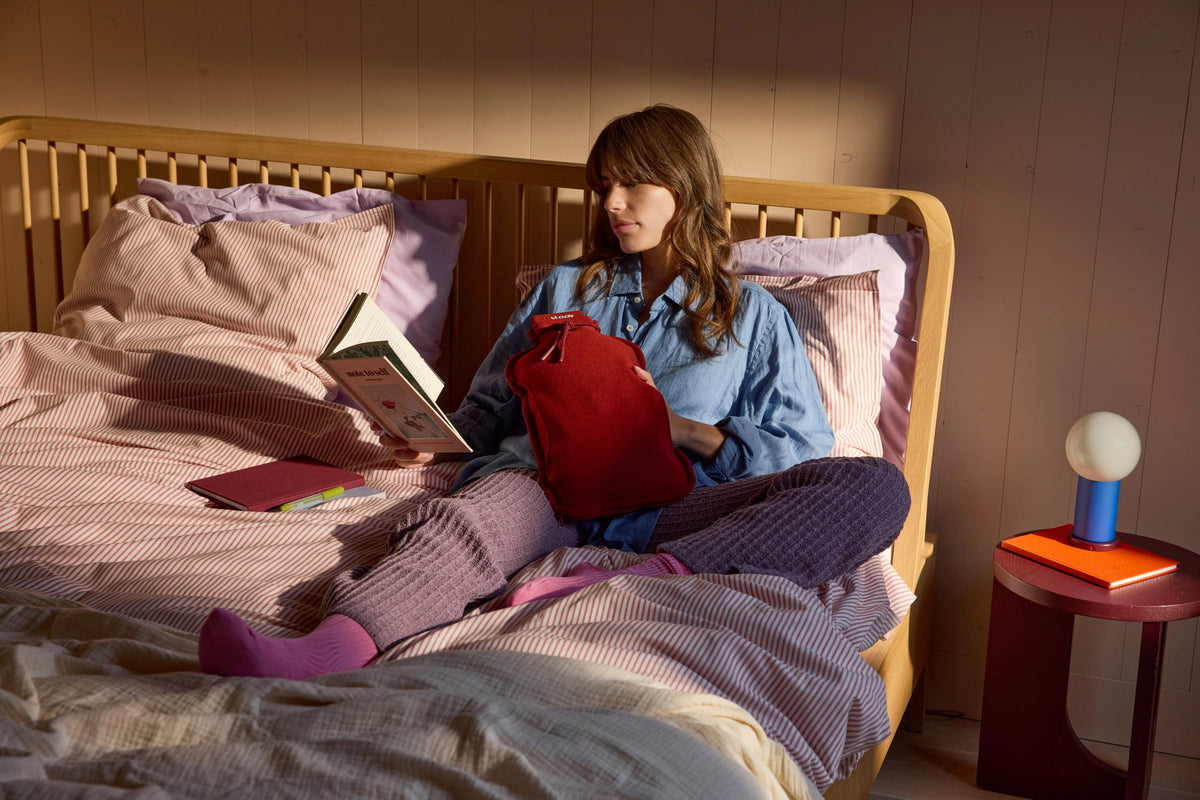
Our warmth needs can change too
Hormones also influence the body’s internal temperature regulation.
Dr Hannah Pallubinsky, Assistant Professor of Thermophysiology at
Maastricht University, explains in the report that core temperature changes
across the menstrual cycle, rising by approximately 0.5°C after ovulation
before falling again.
Stoov’s own research reflects this: 64% of women surveyed said they notice
changes in how warm or cold they feel during different stages of their cycle.
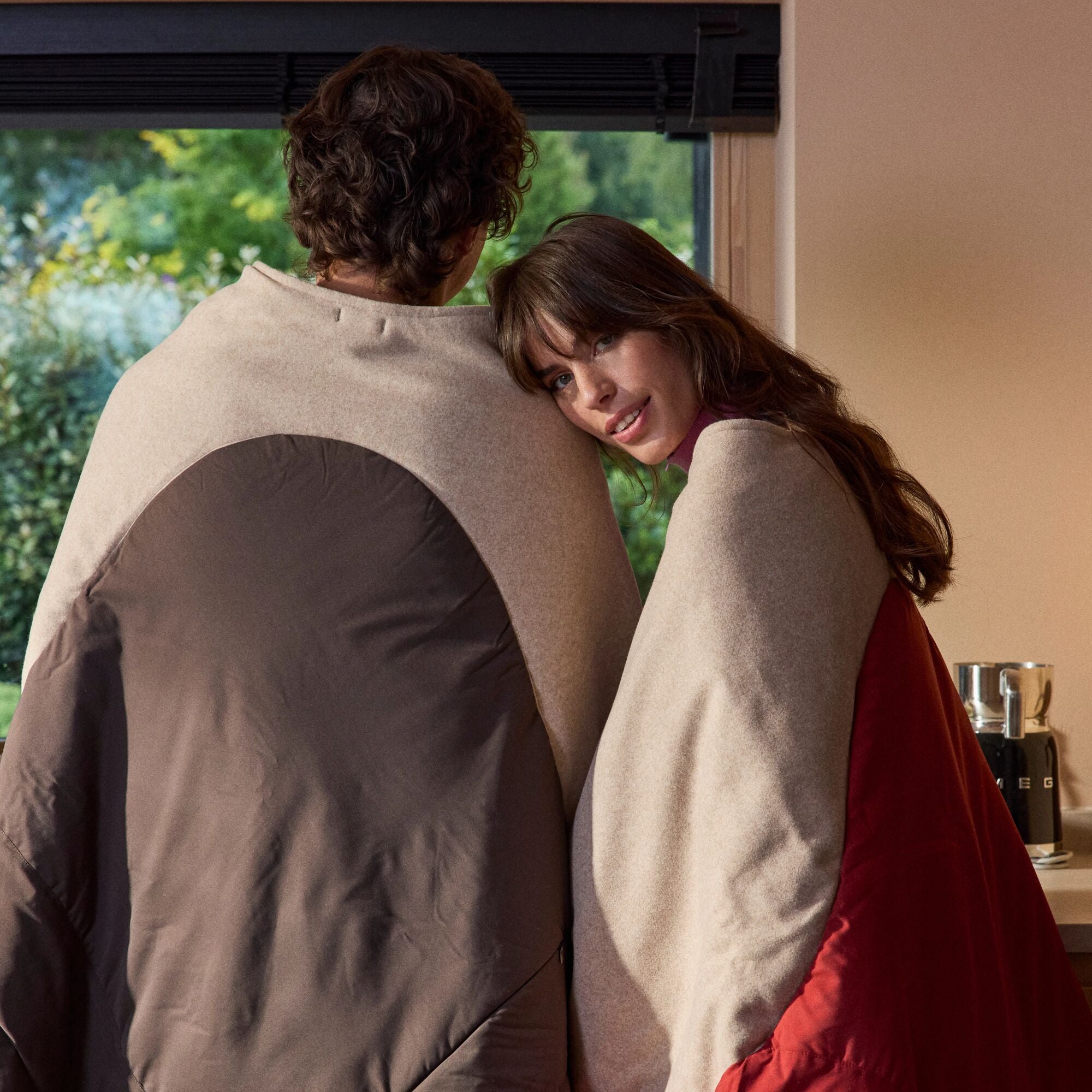
Maybe there is no perfect temperature
Perhaps the thermostat battle isn’t really about who’s right.
It’s about recognising that different bodies need different things.
Instead of expecting one room temperature to work for everyone,
personal warmth gives individuals more control over their own comfort.
Because when it comes to warmth, one size was never going to fit all.
Discover personal warmth
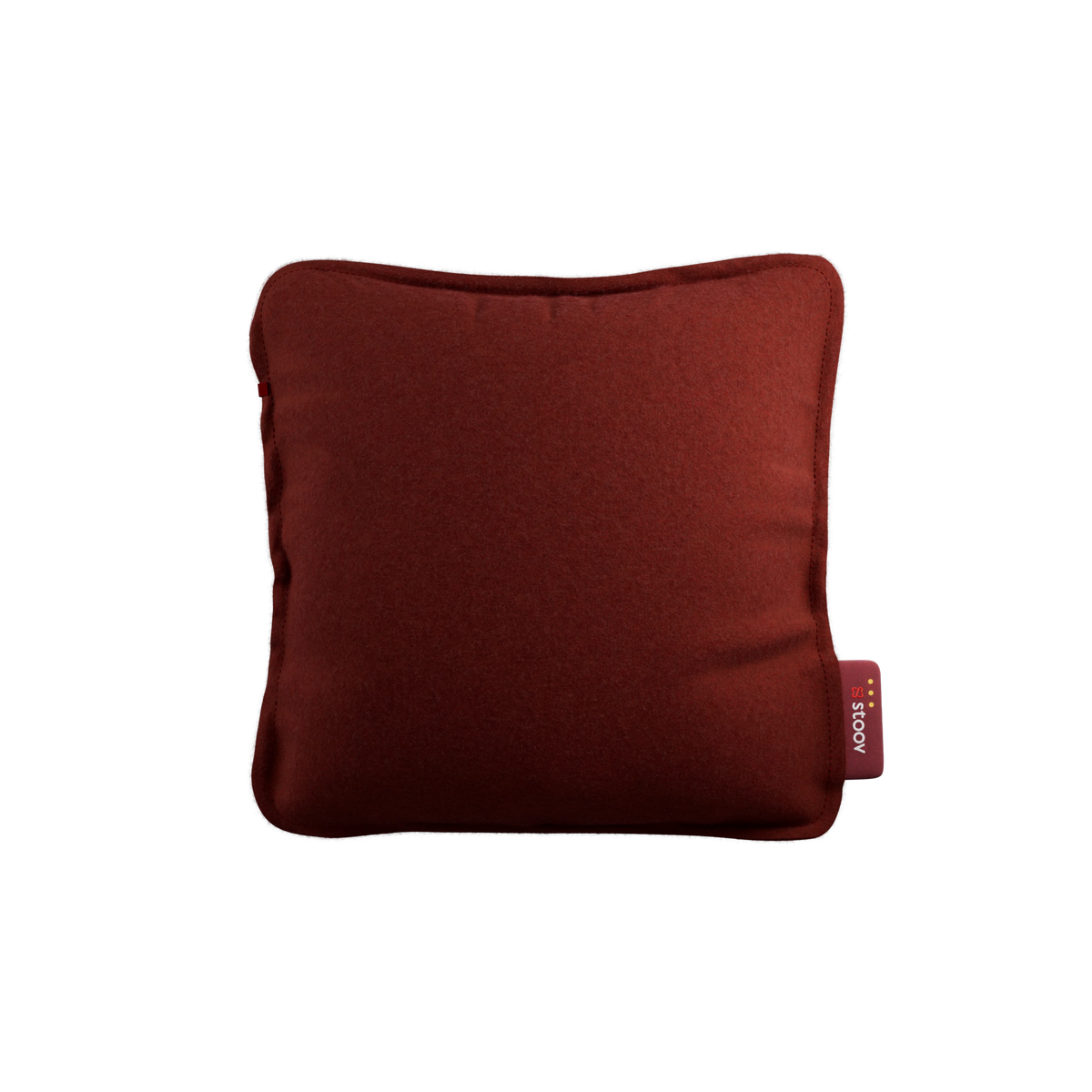
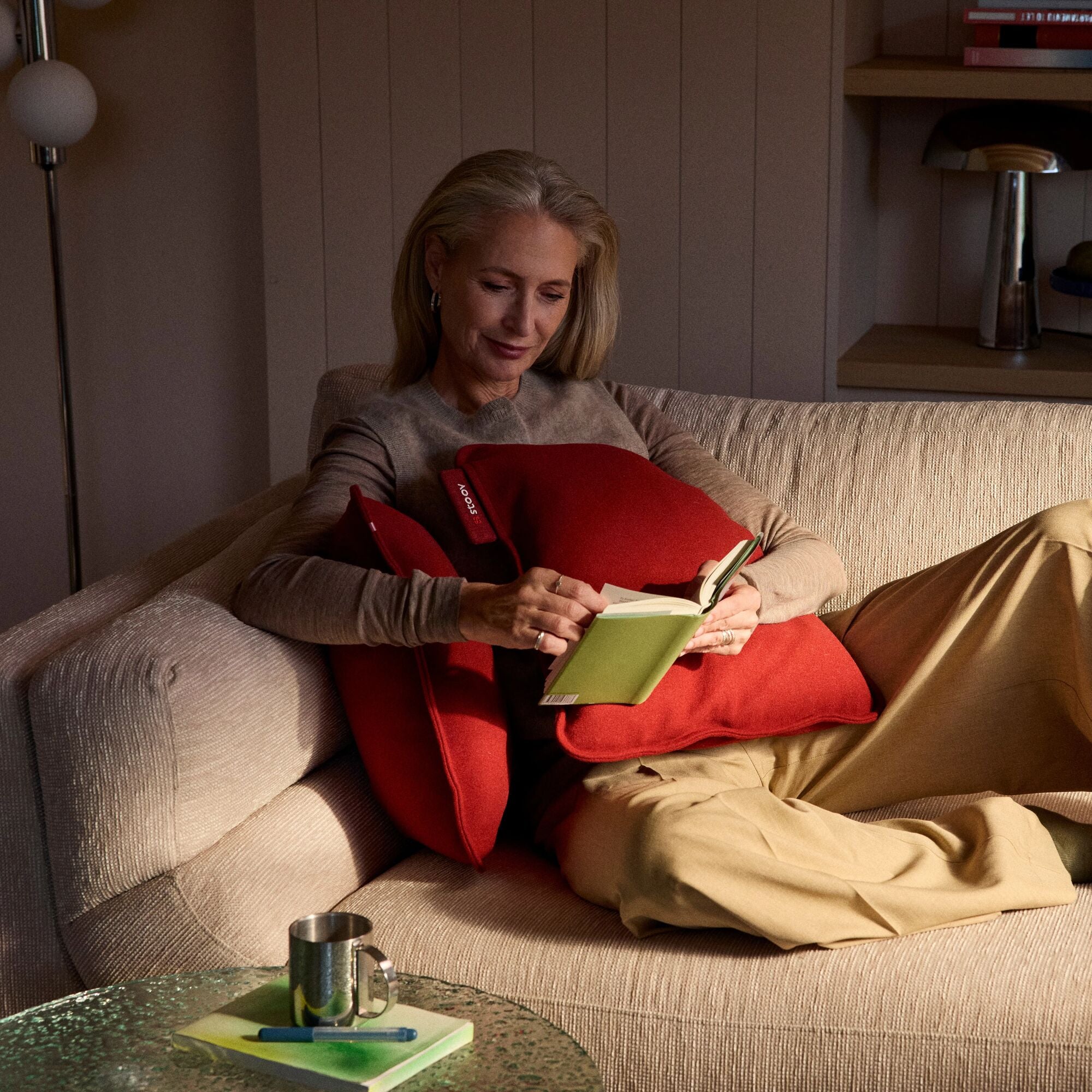

Soft, familiar comfort for every day
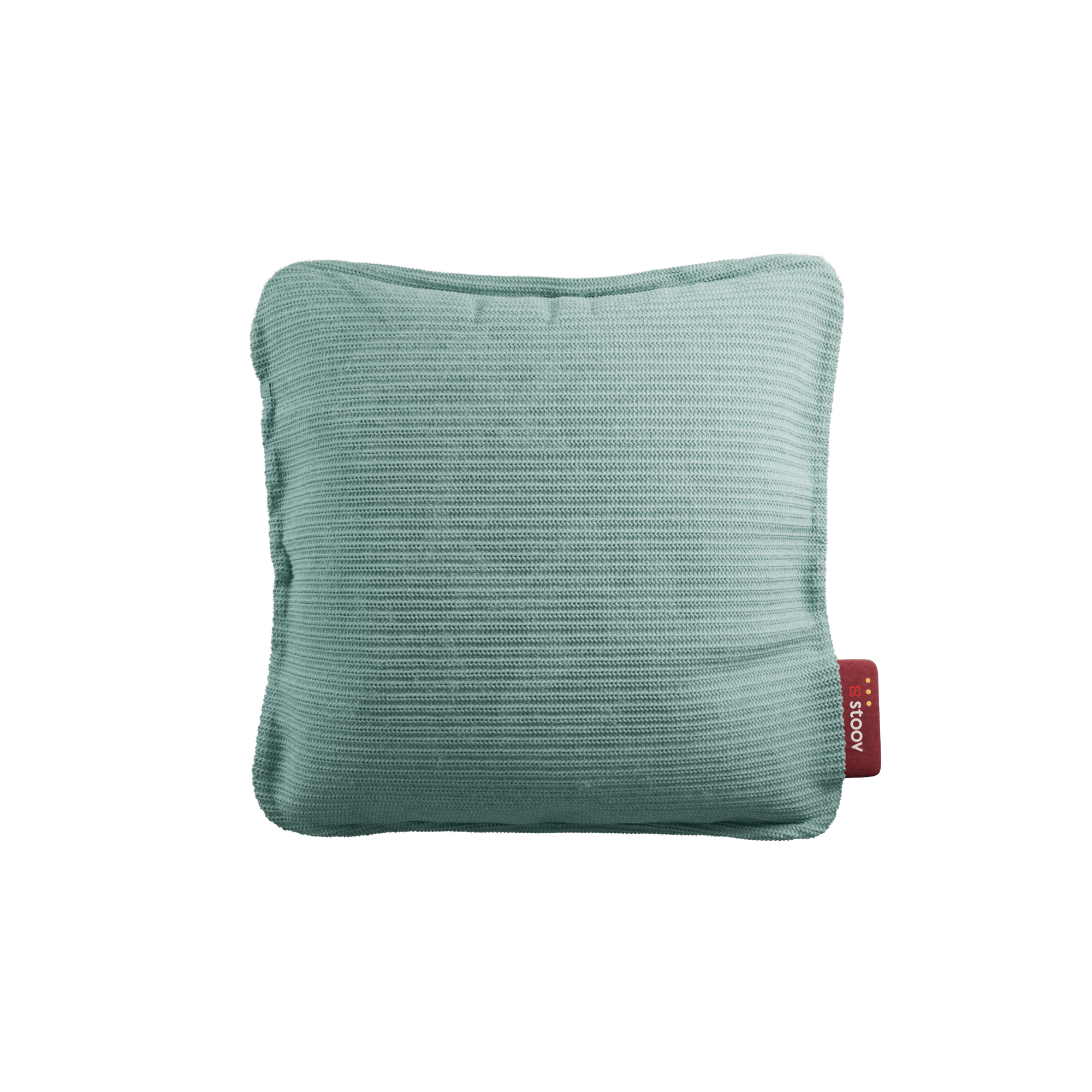
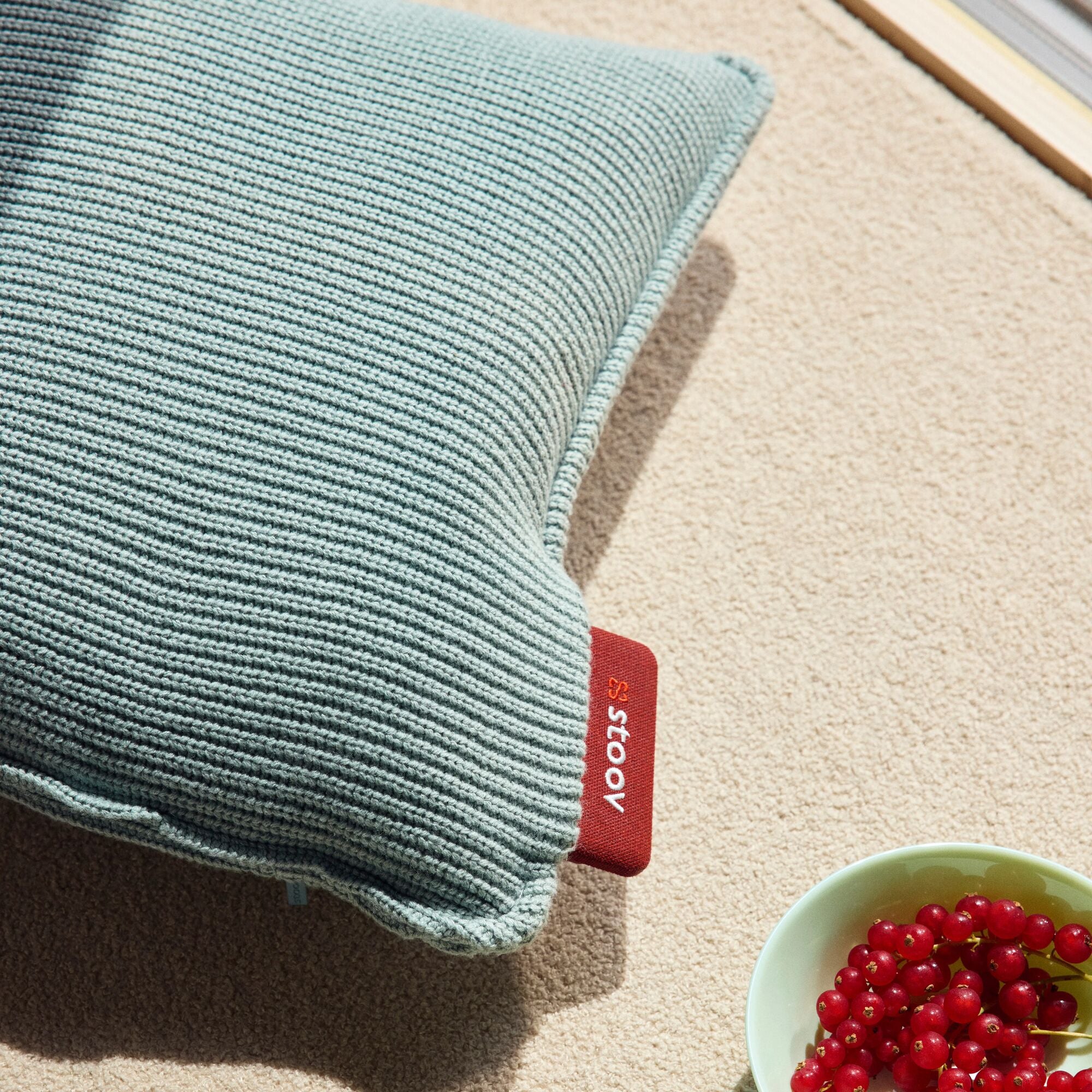
Light knit with a natural feel
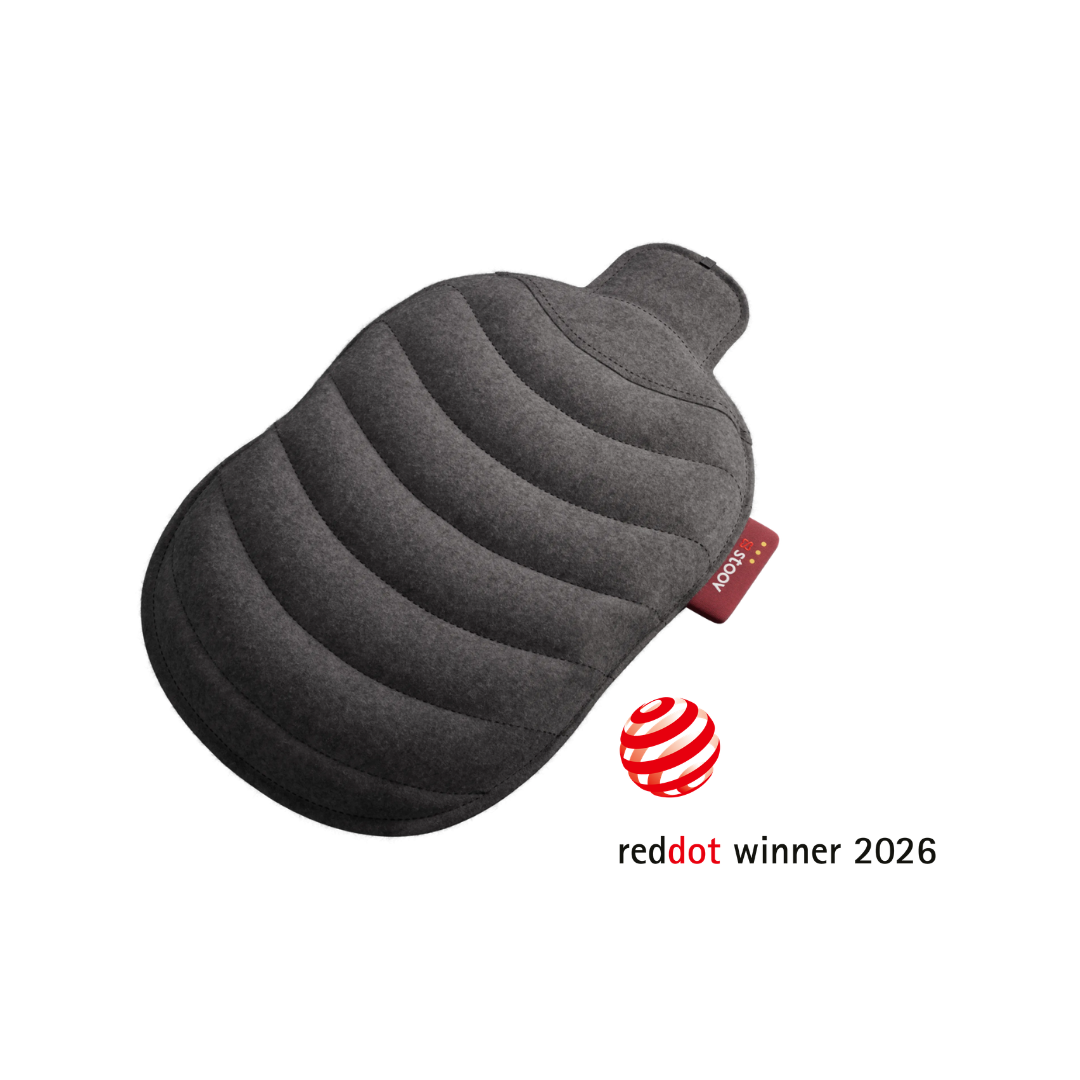
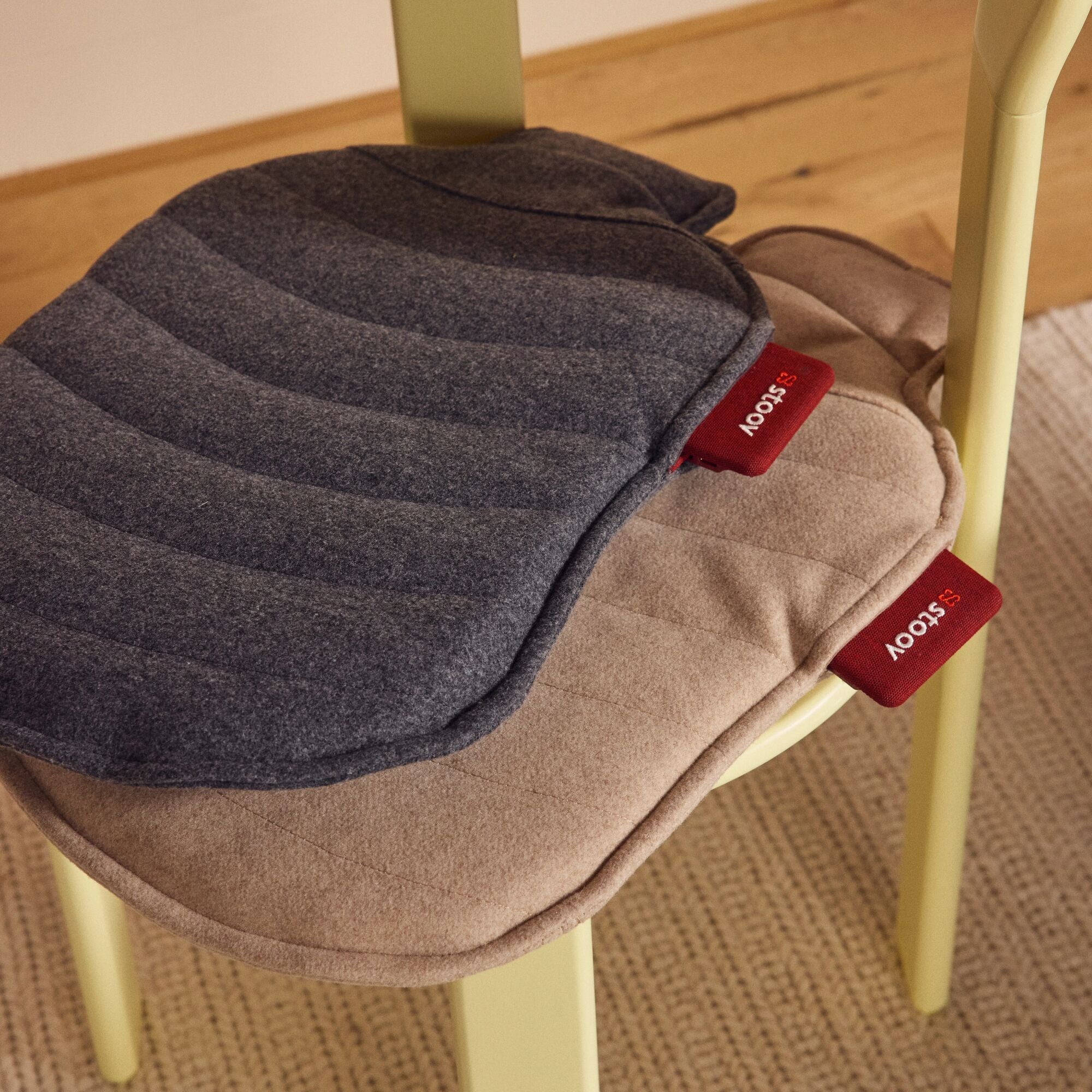
Soft, familiar comfort for every day
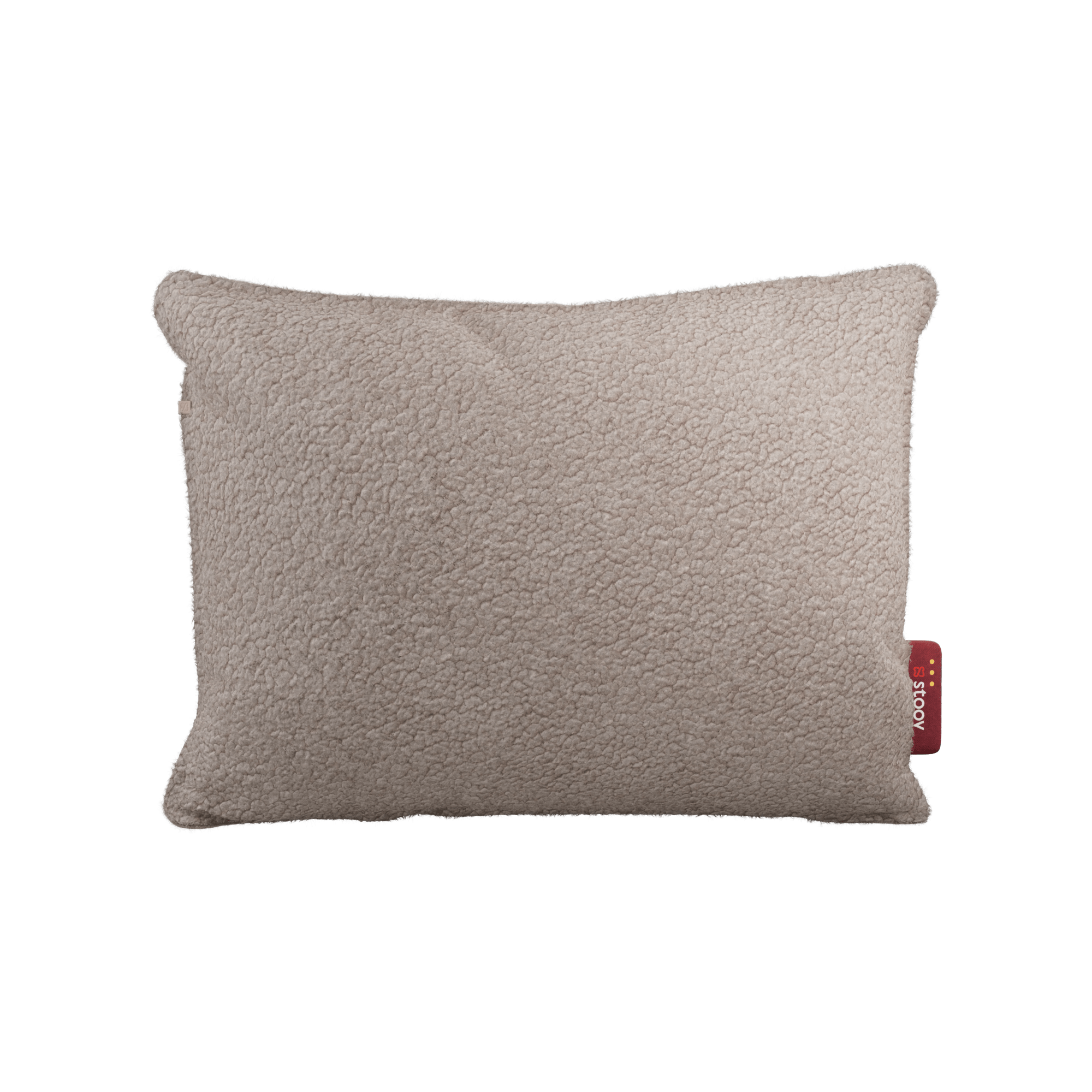
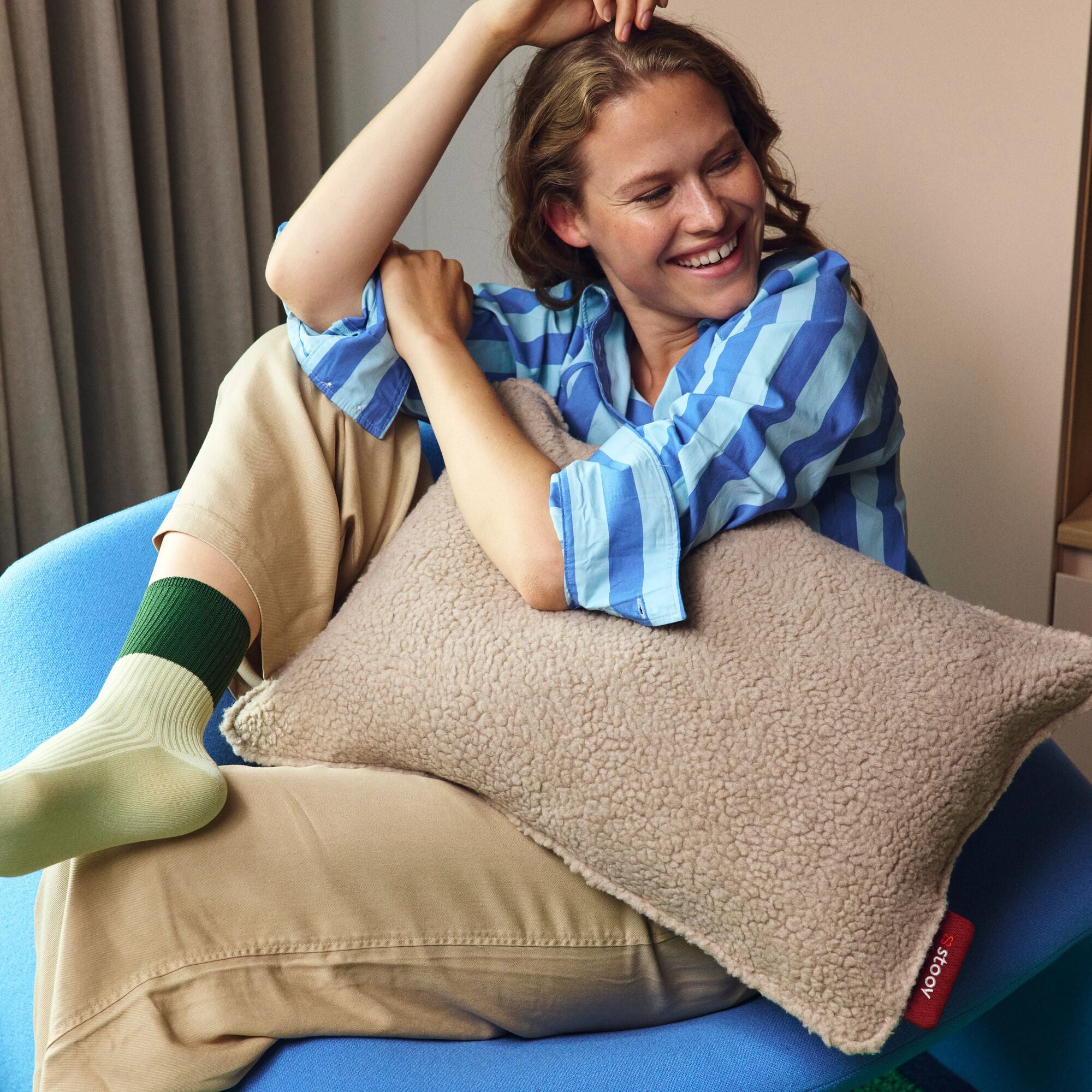

Sheepskin-soft with a fluffy texture
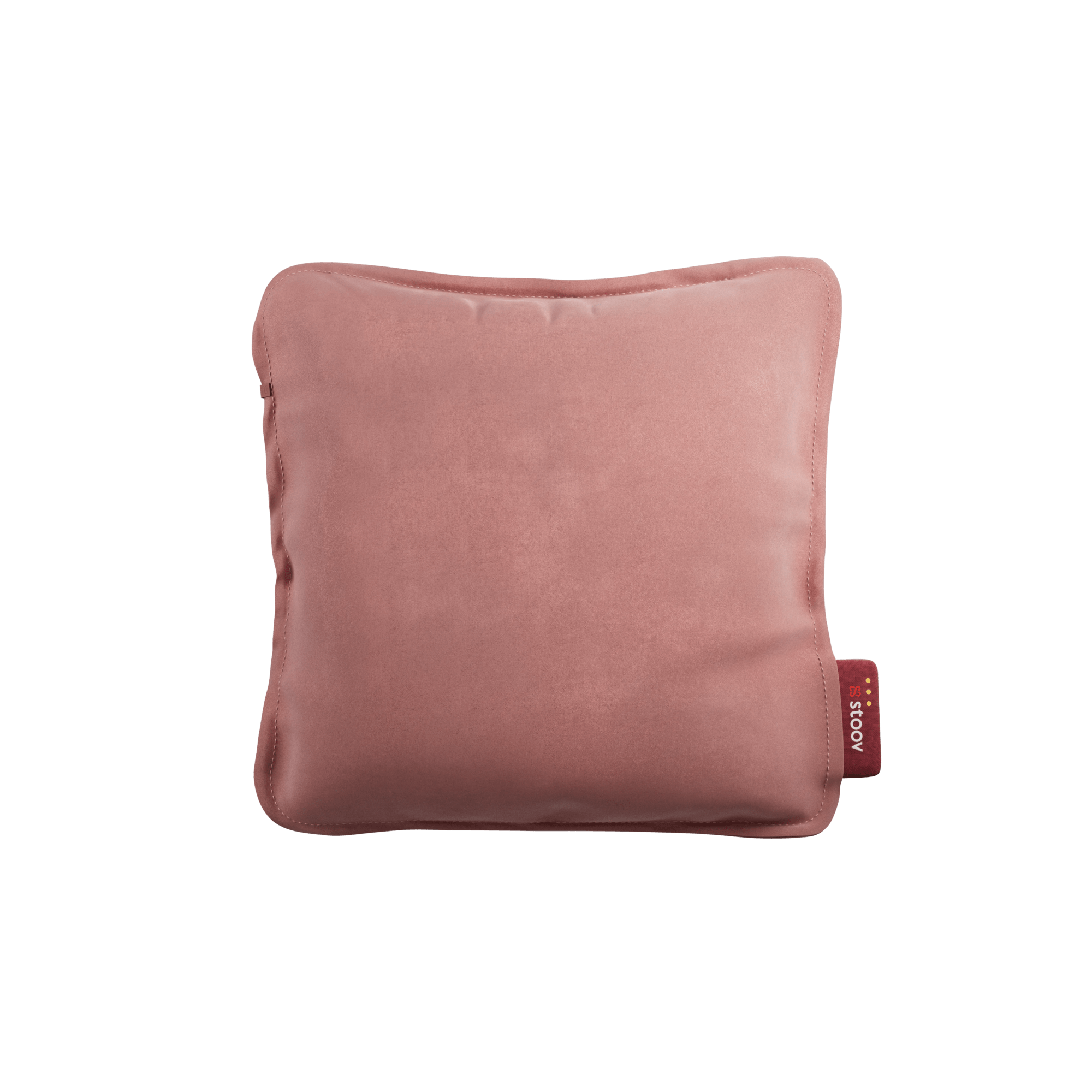


Silky-soft touch with subtle shine
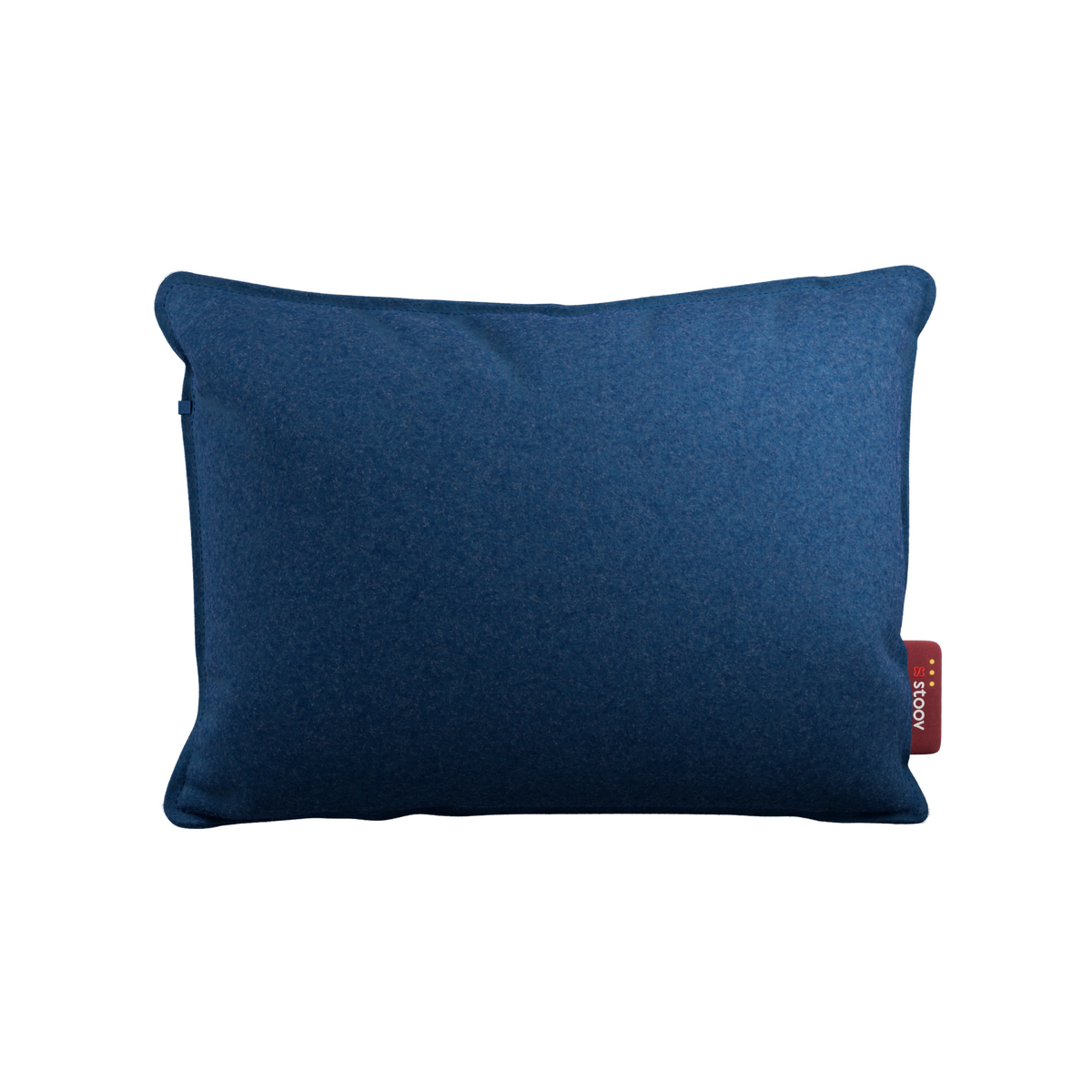

Soft, familiar comfort for every day